Hearing loss remains one of the most prevalent chronic health conditions in the United States today. According to the Hearing Loss Association of America (HLAA), over 50 million Americans have hearing loss. That’s roughly 1 in 7 people across the Nation.
Yet despite how widespread it is, hearing loss often gets overlooked until it starts disrupting daily life. Staying informed and learning how to protect your auditory health can mean the difference between preserving your hearing and letting it quietly slip away.
That’s why we’ve put together this reference guide of current hearing loss statistics in the United States using data from trusted organizations like the HLAA, National Institutes of Health (NIH), the CDC, and more. Whether you’re experiencing hearing changes, supporting a loved one, or simply trying to understand a major public health issue, this fact sheet gives you up-to-date stats all in one place.
Read on to learn some of the most eye-opening U.S. hearing loss statistics that everyone should know.
Hearing loss is far more common than many people realize, affecting people across all age groups and demographics. As the population grows older and the world continues to get louder, the number of people experiencing hearing loss continues to rise.
The following statistics provide a snapshot of how widespread hearing loss is in the United States and beyond:
50 million people (1 in 7 people) in the U.S. have hearing loss. [HLAA]
1.5 billion people around the world live with hearing loss currently, and that number is projected to reach an estimated 2.5 billion by 2050. [WHO]
Sensorineural hearing loss is the most common type of hearing loss globally. [NIH]
Over 66,000 Americans are diagnosed with sensorineural hearing loss every year. [NIH]
Untreated hearing loss has a global annual cost of about $1 trillion. [WHO]
5% of the global population has some degree of noise-induced hearing loss. [NIH]
Over 1 billion young adults around the world are at risk of permanent hearing loss due to unsafe listening practices. [WHO]
U.S. Hearing Loss Statistics by Age
Hearing loss can affect anyone, but the likelihood increases significantly with age. Looking at hearing loss by age group helps illustrate the scope of the issue and highlights the importance of early detection and proactive care.
The following statistics break down how hearing loss impacts different age groups across the United States:
Hearing Loss Statistics for Infants:
Hearing loss is the most common birth defect in newborns. [NIH]
Roughly 20–30 babies born in the U.S. every day are born with hearing loss. [NIH]
Genetic factors account for approximately 50–60% of hearing loss cases in infants. [CDC]
Over 98% of newborns in the U.S. are screened for hearing loss. [CDC]
However, 25% of the babies who fail the newborn hearing screening don’t receive proper follow-up care. [CDC]
Hearing Loss Statistics for Children and Teens:
5.2% of children and teens between the ages of 12–19 have hearing loss. [CDC]
The leading preventable cause of hearing loss among children and teens is ear infections, accounting for up to 46.9% of cases. [Springer Nature]
About 12.5% (5.2 million) of adolescents aged 6-19 have permanent hearing damage due to hazardous noise exposure. [CDC]
5 in 10 young adultslisten to music too loudly, putting them at risk of hearing loss. [CDC]
Approximately 40% of people with hearing loss diagnosed during childhood experience at least one limitation in daily function. [CDC]
Hearing Loss Statistics for Adults:
Approximately 37.5 million (15%) adults in the U.S. ages 18 and over report some trouble hearing. [NIH]
Among adults over the age of 60, more than 25% are affected by severe hearing loss. [WHO]
Age is the strongest predictor of hearing loss among adults, with the greatest number of cases affecting the 60-69 age group. [NIH]
Non-Hispanic white adults are the most likely to experience hearing loss across all racial and ethnic groups in the U.S. [NIH]
Men ages 20–69 are nearly twice as likely to have hearing loss compared to women in the same age range. [NIH]
The prevalence of disabling hearing loss in the U.S. by age group [NIH]:
45-54 years old: 5%
55-64 years old: 10%
65-74 years old: 22%
75+ years old: 55%
Statistics on Hearing Loss Causes in the U.S.
Hearing loss can result from a wide range of factors, from genetics and aging to noise exposure, occupational hazards, and more. Understanding the most common causes can help explain why hearing loss affects people differently and can guide prevention and treatment efforts.
The statistics below outline the leading causes of hearing loss in the United States:
Age-Related Hearing Loss Statistics:
Age-related hearing loss (presbycusis) is the most common form of hearing loss worldwide and is estimated to affect two-thirds of Americans aged 70+. [NIH]
Among adults between the ages of 20 and 69, age is the strongest predictor of hearing loss. [JAMA]
1 in 3 Americans aged 65–74 has hearing loss. Nearly half of those over the age of 75 have trouble hearing. [NIH]
Over 95% of adults over the age of 90 years old are estimated to have hearing loss. [JAMA]
Noise-Induced Hearing Loss Statistics:
Noise-induced hearing loss is the second-most common type of hearing loss, after age-related hearing loss. [NIH]
Approximately 40 million adults in the U.S. may have hearing loss resulting from noise exposure. [NIH]
Roughly 25% of all workers have been exposed to hazardous noise while at work. [CDC]
Noise-induced hearing loss is the most common work-related injuryin the U.S. [CDC]
Occupational Hearing Loss Statistics:
About 22 million workers are exposed to hazardous noise at work annually. [CDC]
An estimated 16% of severe hearing loss in adults is attributed to occupational noise. [NIH]
1 in 4 people with any degree of hearing damage have occupational hearing loss. [CDC]
90% of coal miners have some degree of hearing loss. [NIOSH]
14% of all construction workers experience occupational hearing loss. [CDC]
More than 13 million Americans work in industries that put them at a higher risk of hearing loss due to chemical exposure. [CDC]
8-15% of all law enforcement officers, military personnel, first responders, and other public safety workers have hearing loss. [CDC]
Over 1.3 million Veterans in the U.S. receive disability compensation for hearing loss. [Veterans Affairs]
Coexisting Health Conditions & Hearing Loss Statistics:
Studies show around 78.5% of people with hearing loss report at least one other chronic health condition. [NIH]
People who experience a strokeare at a 71% higher risk of developing hearing loss compared to non-stroke patients. [NIH]
Diabetescan double the likelihood of hearing loss. [CDC]
36.2% of diabetes patients have severe hearing loss. [NIH]
Lyme disease is the most prevalent bacterial cause of hearing loss in the U.S. [NIH]
One key study reported that 74.4% of older adults (age 70+) with heart failure had some degree of hearing loss. [NIH]
Another study found that participants with any level of hearing loss were 3–5 times more likely to report heart disease. [NIH]
Hearing Loss Lifestyle Risk Factors Statistics:
Cigarette smokers are 70% more likely to develop hearing loss. [Oxford Academic]
People with a history of heavy drinking have a 35% higher risk of developing hearing loss. [AGS]
A U.S. based study found that higher physical activity intensity reduced hearing loss risk in adult participants by up to 17%. [AJM]
An estimated 50% of people between the ages of 12 and 35 use headphonesat volumes that put their hearing at risk. [NIDCD]
Tinnitus Statistics in the U.S.
Tinnitus is a common condition that affects people of all ages and is often linked to hearing loss. While symptoms vary widely, tinnitus can significantly interfere with daily life, sleep, and concentration.
The statistics below provide a clearer picture of how widespread tinnitus is across the United States:
There are over 200 different health conditions that can cause tinnitus as a symptom, including hearing loss. [ATA]
Musiciansare 57% more likely to develop tinnitus than non-musicians. [Science Daily]
Tinnitus is the #1 disability among Veterans in the U.S., with over 2.3 million receiving disability compensation for it. [Veterans Affairs]
Approximately 7% of all construction workers have tinnitus. [CDC]
Workers in the Agriculture, Forestry, Fishing, and Hunting (AFFH) industry have the highest risk of tinnitus, with a prevalence of about 14%. [CDC, CDC]
Statistics on Hearing Loss Treatment in the U.S.
Despite clear evidence that treatment improves quality of life and long-term health outcomes, hearing loss remains widely undertreated in the United States. Looking at the numbers helps show just how effective hearing loss treatment can be, and how many Americans delay getting the help they need and deserve.
The statistics below highlight both the life-changing impact of hearing aid use and the gaps in treatment today:
Hearing aid use can slow cognitive decline by nearly 50% in older adults at high risk of dementia. [NIH]
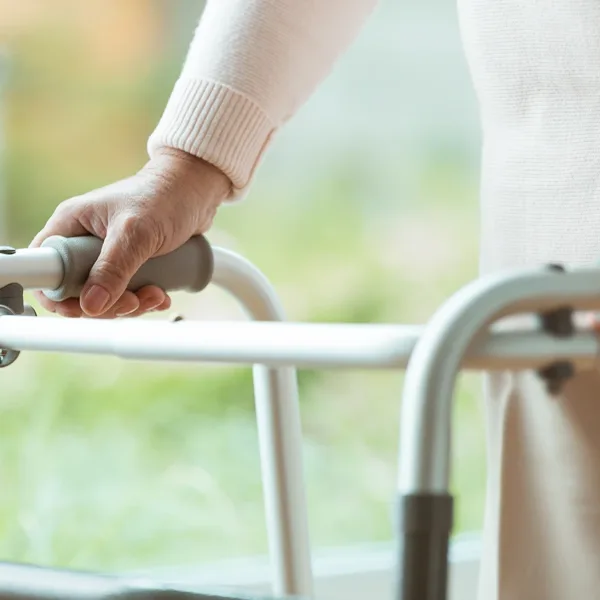
Hearing aid use can reduce the risk of falls by up to 50% in older adults. [JAGS]
People wait 7–10 years on average before seeking treatment for hearing loss. [NIH]
Approximately 28.8 million adults in the U.S. could benefit from hearing aids. [NIH]
Less than 16% of adults ages 20–69 and fewer than 30% of adults over the age of 70 who could benefit from hearing aids actually use them. [NIH]
Statistics on the Impact of Untreated Hearing Loss in the U.S.
Untreated hearing loss affects far more than hearing alone, influencing physical health, mental well-being, and overall quality of life. When left unaddressed, it can contribute to serious long-term consequences.
Below we list some eye-opening statistics that highlight the measurable impact of untreated hearing loss across the United States:
An estimated 33% of people 70 years and older have a hearing loss that impacts daily communication. [NIH]
Adults with untreated hearing loss spend an average of 46% more in total health care costs, compared to those who don’t have hearing loss. [Johns Hopkins]
Untreated hearing loss is linked to a 35% increased likelihood of depression, according to multiple studies. [NIH]
Mild degrees of hearing loss triple the risk of falls in adults between the ages of 40 and 69 years old. [JAMA]
Hearing loss is the largest treatable risk factor for dementia in adults between the ages of 45 and 65. [Lancet]
People with untreated hearing loss have a 2 to 5 times greater risk of developing dementia compared to those with normal hearing [JAMA]:
Mild loss: 2x the risk
Moderate loss: 3x the risk
Severe loss: 5x the risk
Audibel is Here to Help
Hearing loss is a widespread condition that affects millions of Americans. While these statistics show the serious risks and challenges it poses, they also highlight how important it is to safeguard your hearing and seek treatment when needed.
If you or a loved one is experiencing signs of hearing loss, the best time to act is now. From reducing fall risk to supporting cognitive health, addressing hearing concerns sooner rather than later can make a meaningful difference in daily quality of life.
Wherever you are on your journey to better hearing, the specialists at Audibel are here to help. Find an Audibel clinic near you to get the personalized hearing care and resources you deserve.
Dr. Kent Collins is the Vice President of Clinical Operations for Starkey’s Retail locations. Dr. Collins specializes in Patient Journey Innovation, Insurance & 3rd Party Payer processes, Telehealth, and Education & Training. He also serves as the Managing Director overseeing...
Privacy Notice
We use cookies on our websites to personalize your experience, provide social media features, and analyze traffic. By using this site, you agree to our use of cookies. We may also collect and share personal information, as described in our privacy policy. Please review our privacy policy for more information about your privacy rights, including under the California Consumer Privacy Act, and the General Data Protection Regulation.






Have a question or Comment?