

Hearing loss is most often associated with aging. However, major public health organizations, including the Centers for Disease Control and Prevention (CDC) and the World Health Organization (WHO), have highlighted growing concerns about hearing loss risks among young adults.
With personal audio devices, loud events, and increased city noise all part of everyday life, today’s sound environment looks very different from that of previous generations.
In this article, we explore some of the most notable risks of hearing loss among young adults today and provide practical strategies for staying protected.
Top Risks of Hearing Loss Among Young Adults
The leading cause of hearing loss in young adults today is harmful noise exposure. According to the CDC, 1 in 5 young adults aged 20–29 years old has noise-induced hearing loss (NIHL).1
Noise-induced hearing loss is caused by repeated or prolonged exposure to loud sounds. Any noise over 70 decibels (dB) can damage your hearing over time, and sounds 120+ dB can cause instant hearing damage. For context, the average decibel level of a casual conversation is around 60 dB, and the sound levels at a live music concert typically range from 100 to 120+ dB.
While increased noise exposure plays a significant role, it isn’t the only factor influencing hearing health among young adults. A range of common lifestyle and health variables can also contribute to risk, sometimes in ways that aren’t immediately obvious.
Below, we break down the most significant risk factors contributing to hearing loss among young adults today and provide practical strategies for staying protected:
1. Unsafe Headphone Usage
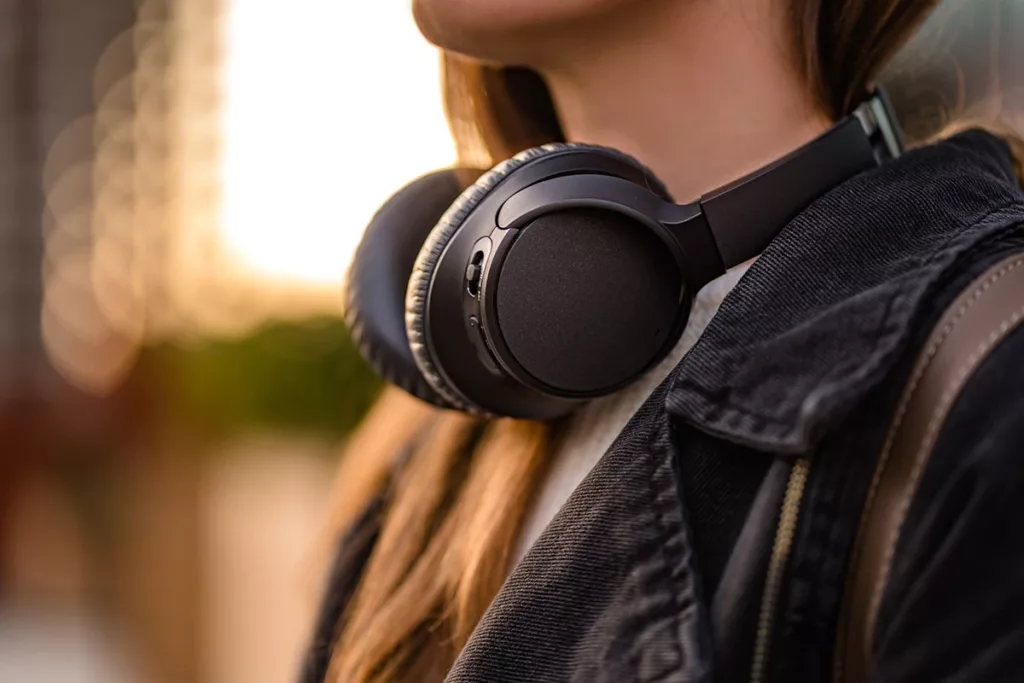
For many people, headphones are an integral part of daily life. This is especially true for young adults. In a recent survey, 60% of young people reported using headphones for several hours each day. 2
There’s nothing inherently wrong with wearing headphones, but how we use them matters. Unsafe listening habits can cause far more damage than most people realize. Studies have found that high volume levels and prolonged use are highly prevalent worldwide and may place up to 1.35 billion young people at risk of hearing loss.3
Even when using headphones at lower volumes, prolonged noise exposure can contribute to hearing loss over time. Constant over-stimulation can damage the tiny hair cells in the inner ear responsible for transmitting sound signals to the brain. Damage to these delicate auditory structures cannot be reversed, often resulting in permanent hearing loss.
How to Use Headphones Safely
There are plenty of ways to use headphones responsibly and prevent permanent hearing damage.
Tips on how to use headphones safely include:
Follow the 60/60 Rule:
Never exceed 60% of the max volume of a device, and take a listening break every 60 minutes at a minimum. If you can’t hear someone talking to you while wearing headphones, your volume is too high.
Headphones vs Earbuds:
Unsafe listening habits pose a risk of hearing loss regardless of the style of headphones you use. However, when used responsibly, over-ear headphones are generally considered safer than earbuds.
Headphones can provide better passive noise isolation, allowing you to listen at lower volume levels. Earbuds can be more challenging to use responsibly because they sit much closer to the eardrum and deliver more concentrated sound waves directly into the ear canal.
Use Noise-Canceling Headphones Correctly:
Noise-canceling headphones allow you to hear your audio clearly at lower volumes by blocking out background noise. However, to properly safeguard your hearing, they must be used responsibly, which includes taking frequent listening breaks and keeping the volume low.
By following safer headphone habits, you can enjoy your favorite audio entertainment and greatly reduce the risk of permanent hearing damage.
2. Loud Entertainment Venues

According to the World Health Organization (WHO), over 1 billion young adults are at risk of losing their hearing from prolonged exposure to loud music and other recreational sounds.4
Concerts, bars, clubs, sporting events, and music festivals are quintessential experiences for many young adults. However, they also rank among the loudest environments you can encounter.
Sound levels at these kinds of events can easily reach 100+ dB, which can damage your hearing in as little as 15 minutes or less. Without proper protection, repeated exposure to harmful recreational sounds can cause irreversible hearing loss.
How to Protect Your Hearing at Loud Events
Loud events can have detrimental effects on your hearing, but that doesn’t mean you need to avoid them.
Tips on how to protect your hearing at loud events include:
Wear Proper Hearing Protection:
In loud environments, wearing hearing protection with the proper noise reduction rating (NRR) can greatly minimize your risk of hearing damage.
Know the Warning Signs:
If you notice a ringing sound or muffled hearing after a loud event, that is your auditory system telling you it’s overworked. What you are hearing is the hair cells in your inner ear misfiring due to overstimulation. The brain interprets this as a high-pitched buzzing, ringing, or humming sound. Even if the effects eventually fade, some of those cells are likely damaged permanently.
Take Listening Breaks:
Even briefly stepping away to a quiet area helps reduce cumulative strain on your ears. Some venues have specific quiet zones for this reason. For added protection, it is also good to avoid sitting or standing too close to the speakers. The farther away from them you are, the less damaging the noise will be.
By understanding the risks and taking the right precautions, you can preserve your hearing while enjoying the events you love.
3. City Noise and Traffic
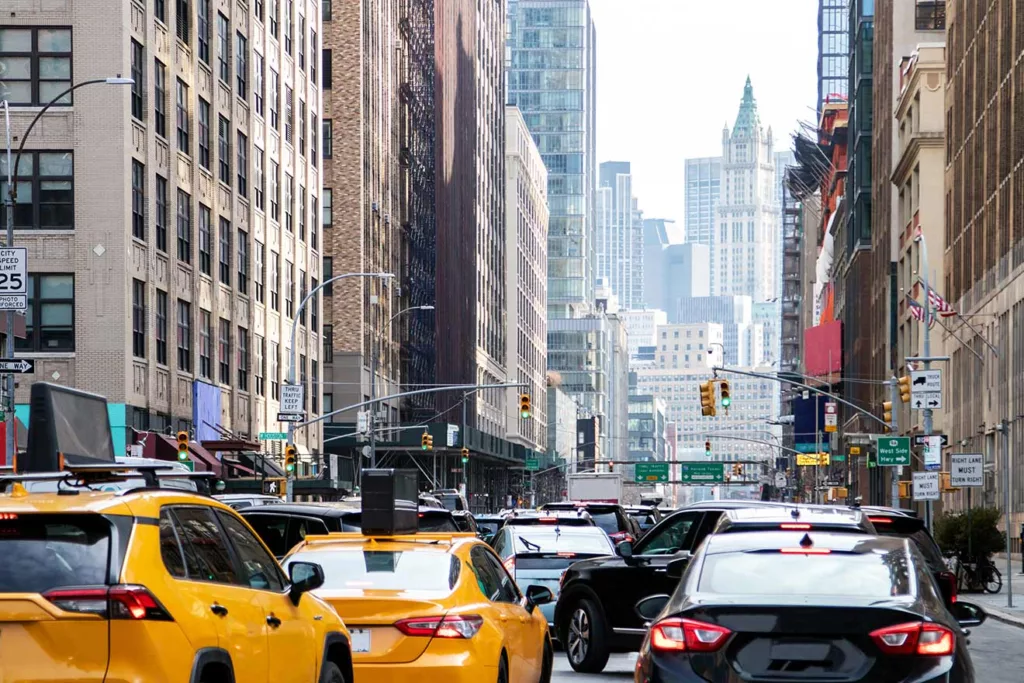
For young adults living, working, or going to school in busy cities, daily environmental noise is a serious yet commonly overlooked threat to auditory health. Every honking horn, passing siren, and bustling construction site can have cumulative and damaging effects on your hearing.
Below is a table showing common city and traffic noises and their decibel ratings:
| Sound Source | Average Decibel (dB) Level |
|---|---|
| Regular Traffic | 70 dB |
| Bus Stops | 89 dB |
| Construction Sounds | 90 dB |
| Subway Platforms | 106 dB |
| Sirens | 109 dB |
Even if these sounds don’t seem dangerously loud in the moment, daily exposure can add up over time and cause irreversible damage to your hearing health.
How to Protect Your Hearing from City Noise
While environmental noise is often unavoidable, there are ways to safeguard your hearing without drastically changing your daily routine.
Tips on how to protect your hearing from city noise include:
Avoid the Noise Whenever Possible
Avoid walking directly next to construction sites, walking down streets with heavy traffic, or spending extended time in extremely loud or crowded spaces. Even small adjustments, like crossing the street, choosing a quieter route, and finding quieter spaces whenever possible, can help reduce daily noise exposure.
Wear Hearing Protection When Appropriate:
Wearing hearing protection can help reduce noise exposure throughout the day. However, it’s important to use hearing protection in a way that doesn’t compromise your safety. In situations where you need to remain aware of your surroundings, you never want to block out sounds completely. The goal is to reduce harmful noise exposure while still being able to hear important things like traffic, alarms, or people nearby.
Keep Windows Closed:
Whenever possible, keep your windows closed to reduce the amount of sound entering your home, workplace, or vehicle. You can further limit noise exposure by using heavy curtains, blackout drapes, or sound-dampening window treatments. Weather stripping and double-pane glass can also reduce sound transmission.
Double Down on Healthy Listening Habits:
Some city noise is simply unavoidable. Because you can’t always control your environment, it becomes even more important to be mindful of the noise you can control. Keep personal audio at safe volumes, take listening breaks when using headphones, and give your ears time to recover after being in loud environments.
By being intentional about your overall listening habits, you can help balance out the unavoidable noise that comes with living and working in a busy environment.
4. Nicotine
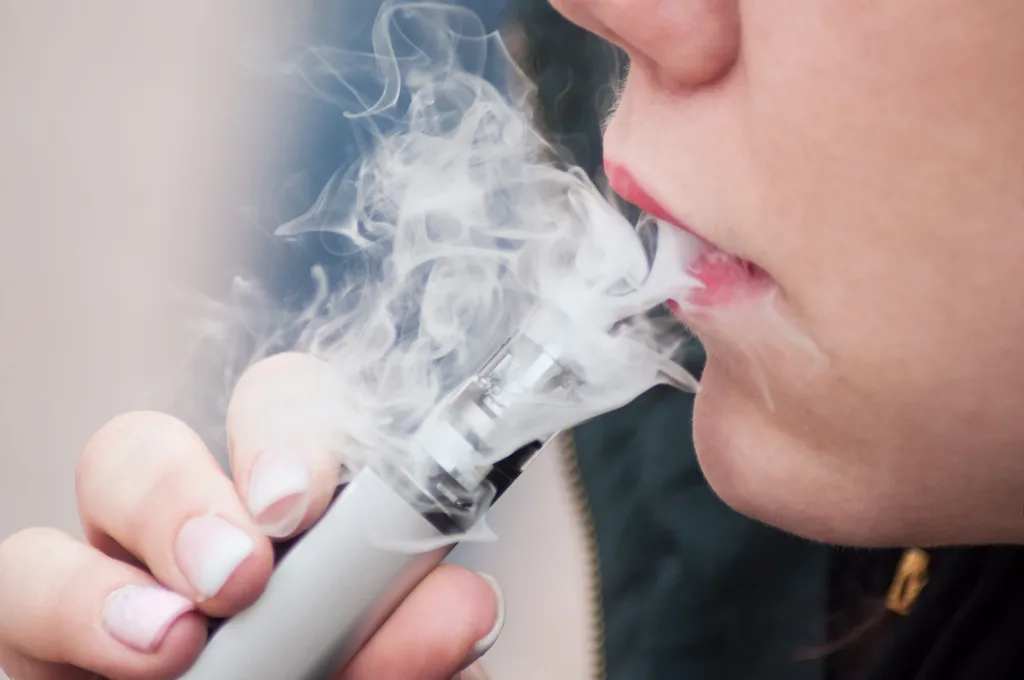
According to a 2024 survey conducted by the FDA and the CDC, approximately 2.25 million5 middle and high school students in the U.S. report use of nicotine products. While most young adults are aware that nicotine use is bad for their health, it’s also important to understand how these habits could contribute to hearing loss.
Nicotine causes hearing loss by reducing blood flow and oxygen supply to the inner ear, which can cause permanent damage over time.6 Studies show that people who smoke regularly are 70% more likely to develop hearing loss than non-smokers.6
Vaping can also have damaging effects on your hearing. Chemical components in e-cigarettes can cause oxidative stress and inflammation that can cause permanent hearing loss.7
How to Protect Your Hearing: Quit Smoking
The most effective way to safeguard your hearing from the potentially damaging effects of nicotine is to avoid it altogether. It’s never too late to stop smoking, vaping, or using nicotine pouches. If you’re ready to quit, talk to your primary care provider for resources.
5. Alcohol

Alcohol in moderation is a normal part of social life for many young adults. However, excessive or frequent drinking can increase the risk of hearing problems, among other health concerns. In fact, a growing body of research suggests a link between alcohol consumption and hearing loss.8
In chronic or excessive amounts, alcohol is ototoxic, meaning it can cause irreversible damage to the inner ear, resulting in permanent hearing loss. Alcohol can reduce blood flow to the inner ear and damage the auditory nerve, contributing to permanent hearing damage over time.
Additionally, many situations that involve alcohol often expose you to loud environments like bars, clubs, and concerts, compounding the risk of hearing loss even more.
How to Protect Your Hearing: Partake Responsibly
Enjoying alcohol in moderation is an important part of protecting your overall health, including your hearing. Pace your drinks, stay hydrated, and limit the number of high-alcohol occasions. If you plan to be in loud settings, be mindful of the volume around you and consider taking breaks away from the noise whenever possible.
Responsible drinking habits, combined with other safe listening practices, can make a big difference in protecting your hearing health.
6. Skipping Hearing Exams
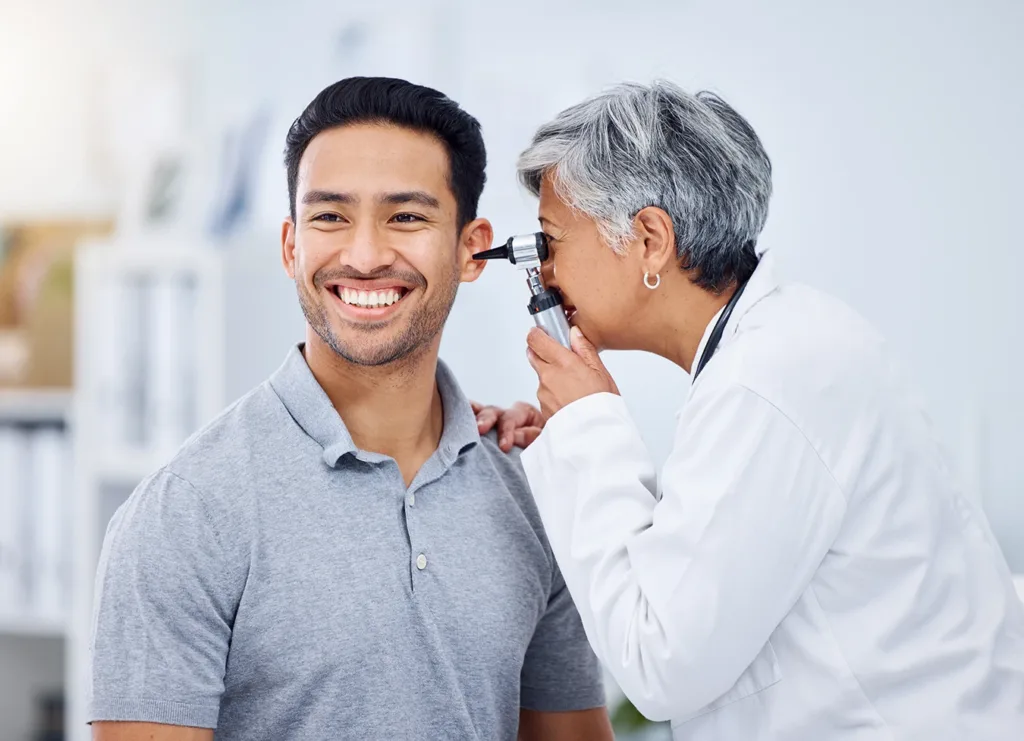
Regular hearing exams are essential for monitoring your auditory health. Hearing loss often develops gradually over time, which is why it’s important to establish a baseline hearing health report in your early 20s.
A baseline hearing exam creates a reference point for future check-ups. It’s crucial in detecting subtle changes in your hearing and allowing for timely intervention.
How to Protect Your Hearing: Get a Baseline Hearing Test and Check Ups
For most people, the best time to get a baseline hearing test is between the ages of 18 and 25, even if you have no current hearing concerns. After establishing a baseline, it’s generally recommended to undergo hearing check-ups every 3–5 years until age 50, unless your hearing changes.
If you are at risk of hearing loss due to occupational exposure or for any other reason, having a hearing test at least once a year is strongly advised, regardless of age.
Prioritizing Your Hearing Health is Easier with Audibel
Today’s young adults face many risks to their hearing on a daily basis. At Audibel, our specialists are here to provide the personalized hearing care you deserve. Knowing the dangers and staying proactive with routine hearing checkups are the best ways to safeguard your auditory health now and for years to come.
It’s never too late to start protecting your hearing. Find an Audibel hearing clinic near you to schedule an appointment.
References
- Carroll, Y. I., Eichwald, J., Scinicariello, F., Hoffman, H. J., Deitchman, S., Radke, M. S., Themann, C. L., & Breysse, P. (2017). Vital Signs: Noise-Induced Hearing loss among Adults — United States 2011–2012. MMWR Morbidity and Mortality Weekly Report, 66(5), 139–144. https://doi.org/10.15585/mmwr.mm6605e3
- Technologies, M. H. (2025, July 9). The Evolution of Headphones: Insights from Mimi User Survey 2023 | Mimi Hearing Technologies. https://mimi.io/blog/the-evolving-role-of-headphones-insights-from-mimi-user-survey-2023
- Dillard, L. K., Arunda, M. O., Lopez-Perez, L., Martinez, R. X., Jiménez, L., & Chadha, S. (2022). Prevalence and global estimates of unsafe listening practices in adolescents and young adults: a systematic review and meta-analysis. BMJ Global Health, 7(11), e010501. https://doi.org/10.1136/bmjgh-2022-010501
- World Health Organization: WHO. (2022, March 2). WHO releases new standard to tackle rising threat of hearing loss. World Health Organization. https://www.who.int/news/item/02-03-2022-who-releases-new-standard-to-tackle-rising-threat-of-hearing-loss
- Products, C. F. T. (2025, January 22). Results from the Annual National Youth Tobacco Survey (NYTS). Retrieved from https://www.fda.gov/tobacco-products/youth-and-tobacco/results-annual-national-youth-tobacco-survey-nyts
- Kumar, A., Gulati, R., Singhal, S., Hasan, A., & Khan, A. (2013). The effect of smoking on the hearing status –A hospital based study. JOURNAL OF CLINICAL AND DIAGNOSTIC RESEARCH. https://doi.org/10.7860/jcdr/2013/4968.2730
- Anand, R., Sarode, G., Sengupta, N., & Sarode, S. (2024). From Smoke to Vapor: Understanding the Auditory Consequence from Traditional Smoking to Vaping. Asian Pacific Journal of Cancer Prevention, 25(3), 719–721. https://doi.org/10.31557/apjcp.2024.25.3.719
- Qian, P., Zhao, Z., Liu, S., Xin, J., Liu, Y., Hao, Y., . . . Yang, L. (2023). Alcohol as a risk factor for hearing loss: A systematic review and meta-analysis. PLoS ONE, 18(1), e0280641. https://doi.org/10.1371/journal.pone.0280641




Have a question or Comment?