
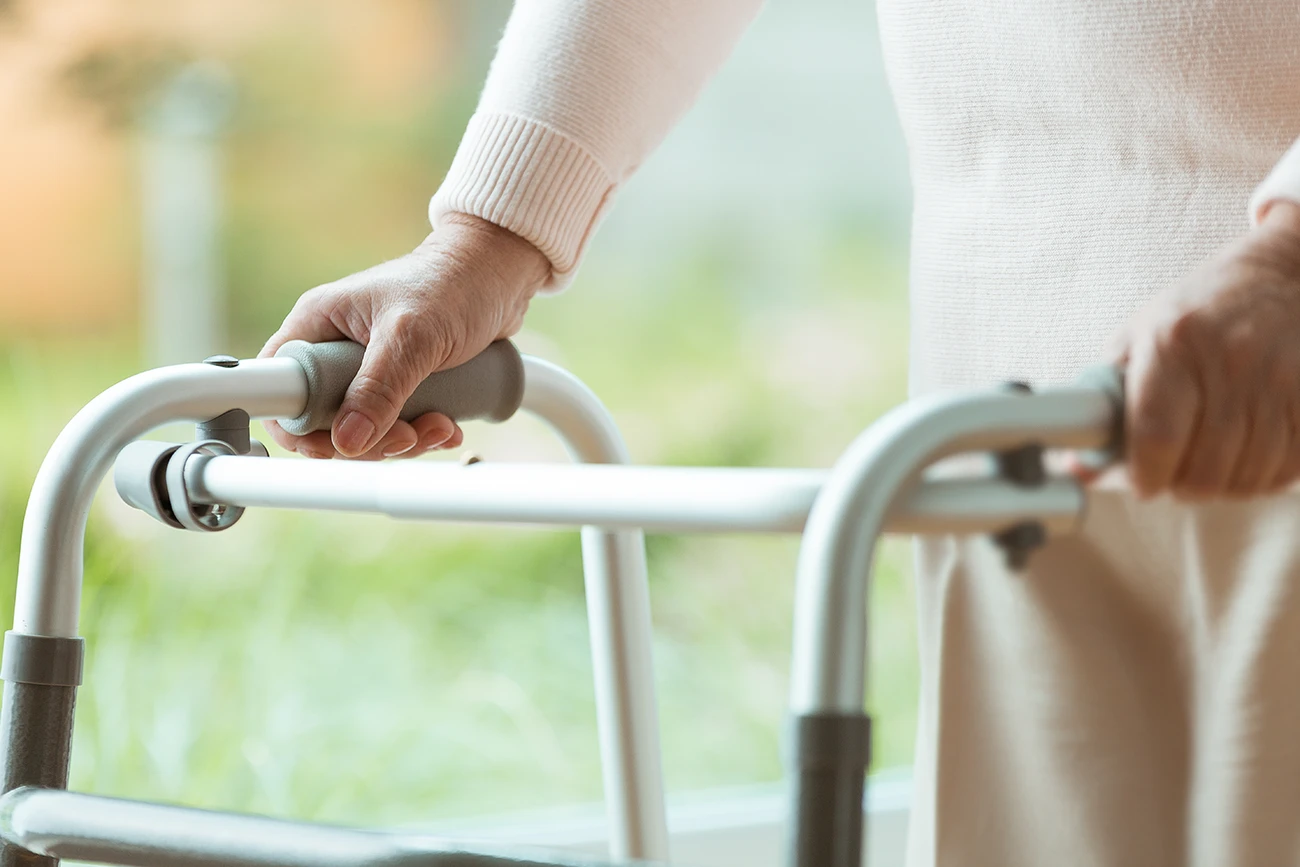
Feeling less steady on your feet can be alarming for anyone, especially when there’s no obvious cause or reason to explain it. What many people don’t realize is that balance issues are often linked to hearing loss.
Hearing loss doesn’t only affect how you perceive sounds. It can also influence balance, spatial awareness, and it can even increase the risk of falls. In fact, mild hearing loss can triple the risk of falls in older adults.1 This is because the inner ear plays a critical role in both hearing and balance.
In this article, we explore how hearing loss can affect balance and provide tips to help safeguard your auditory health and stability.
How Hearing Loss Can Affect Balance
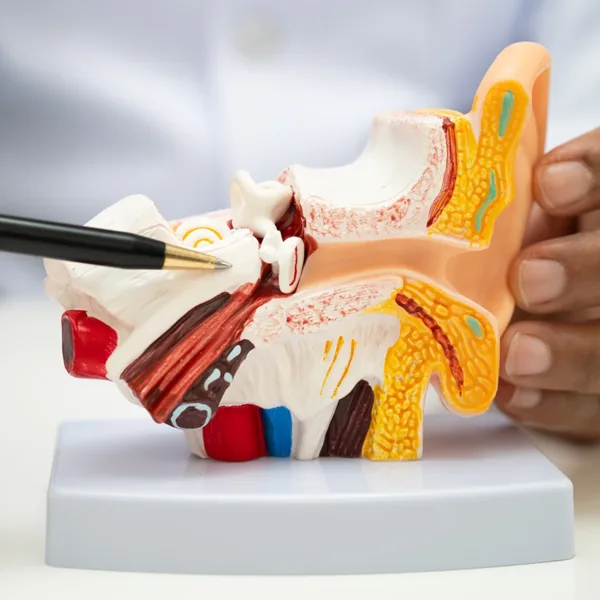
Our ears do so much more than just help us hear. They also play a key role in keeping us standing upright and balanced. Hearing and balance are controlled by two interconnected systems in the inner ear: the cochlea and the vestibular system.
- Cochlea (hearing): The cochlea converts sound vibrations into electrical signals, which the brain interprets as sound.
- Vestibular system (balance): This system senses head movement, body position, and motion, which is critical to maintaining balance when we walk, turn, or move.
Below, we provide a more in-depth look at how hearing loss can affect balance:
1. Shared Inner Ear Mechanisms
While the cochlea and the vestibular system have different functions, they share some key mechanisms in the inner ear:
- Endolymph Fluid: Both the cochlea and the vestibular systems rely on a specialized fluid called endolymph. In the cochlea, sound waves move this fluid to help you hear, and in the vestibular system, physical head movements shift the fluid, keeping you balanced and oriented.
- Hair Cells: As the endolymph fluid moves, it stimulates microscopic hair cells that convert this physical motion into electrical signals.
- Vestibulocochlear Nerve: These electrical signals are then transmitted to the brain through a shared nerve pathway called the vestibulocochlear nerve.
Because the cochlea and vestibular systems rely on many of the same inner ear mechanisms, issues affecting one system often impact both, causing hearing and balance problems simultaneously.
2. Reduced Spatial Awareness
Hearing plays a vital role in our spatial awareness and orientation. The brain uses sound to help mentally map out our environment and orient us to our surroundings. When hearing is impaired, you lose the auditory cues that are crucial to spatial awareness.
This can make it challenging for the brain to keep you feeling steady on your feet, and much harder to maintain a balanced center of gravity.
3. Increased Cognitive Load
When you have hearing loss, your brain has to work significantly harder to understand speech and process sound. This requires a high level of mental energy, often called cognitive load.
This extra effort leaves fewer mental resources for things like maintaining coordination and balance, significantly increasing the risk of falls.
Conditions Commonly Linked to Hearing and Balance Issues
Hearing and balance issues often stem from conditions that affect the inner ear, resulting in symptoms like dizziness, vertigo, tinnitus, and hearing loss. If you or a loved one has experienced hearing or stability changes of any kind, it’s important to seek professional diagnosis and care.
Below, we list different conditions most commonly linked to both hearing and balance issues:
Sensorineural Hearing Loss (SNHL)
Sensorineural hearing loss (SNHL) is the most common type of hearing loss and occurs when there is damage to the inner ear (cochlea) or the auditory nerve. Because the vestibular system is located in the same region of the inner ear, SNHL is also frequently linked to balance issues.
Even with mild cases, untreated hearing loss of any kind can impact balance and increase the risk of falls, especially in older adults.
Ménière’s Disease
Ménière’s disease is a chronic disorder caused by abnormal fluid buildup in the inner ear. This condition commonly causes symptoms like vertigo, fluctuating hearing loss (usually in one ear), tinnitus, and a feeling of fullness in the affected ear.
Symptoms affecting balance can be severe, unpredictable, and often worsen over time. Early diagnosis and ongoing care are critical for managing long-term effects.
Vestibular Disorders
Vestibular disorders are conditions involving the inner ear and brain. These conditions often lead to balance issues, dizziness, vertigo, and hearing changes. Common examples of vestibular disorders include:
- Vestibular Neuritis: Inflammation of the vestibular nerve from a viral infection, causing sudden and often severe vertigo, imbalance, nausea, and hearing changes.
- Labyrinthitis: Inflammation in the inner ear, usually from a viral infection, leading to balance issues and hearing loss.
- Chronic Ear Infections: Prolonged or repeated inflammation and fluid buildup in the outer, middle, or inner ear.
- Vascular Events: Can include strokes, heart attacks, pulmonary embolism, aneurysm, and more.
Acoustic Neuroma (Noncancerous Tumor)
An acoustic neuroma is a noncancerous tumor that grows on the vestibulocochlear nerve. This nerve is responsible for transmitting electrical signals from the cochlea (hearing) and the vestibular (balance) systems to the brain.
Symptoms of an acoustic neuroma often develop gradually and may include hearing loss in one ear, tinnitus, and balance problems.
Head Trauma and Concussion
Head injuries can damage the auditory and vestibular systems and interfere with both hearing and balance. Depending on the severity of the injury, symptoms can include temporary hearing loss, dizziness, vertigo, or difficulty with coordination for days, weeks, or even months after the trauma.
Tips to Safeguard Hearing Health and Balance

Protecting your hearing is an important part of maintaining good balance and stability as you age. The following strategies support both hearing health and balance at every stage of life:
Get Your Hearing Checked Regularly
Routine hearing evaluations help identify changes in hearing before symptoms begin to interfere with daily life. These hearing check-ups allow your specialist to identify even the most subtle changes early on and provide the personalized care you deserve.
Use Hearing Aids Every Day
Daily hearing aid use helps the brain process sound more efficiently and provides the vital auditory stimulation we need for healthy cognitive function as we age. Hearing aids also support better awareness of your surroundings, which is essential for balance and safety. In fact, one study found that wearing hearing aids consistently can reduce the risk of falls by up to 50%.2
Consider Hearing Aids with Fall Detection
Some prescription hearing aids include built-in fall detection technology that can automatically alert emergency contacts in the event of a fall. This feature can be especially valuable for people with hearing loss who also experience balance and stability issues.
Hearing aids with fall detection add an extra layer of safety and peace of mind that can support a more active and independent lifestyle.
Track Daily Activity and Fitness
The technology used in hearing aids with fall detection can also aid in daily activity and fitness tracking. Fitness-tracking hearing aids monitor your daily steps, exercise activities, and engagement metrics. Staying active supports muscle strength, coordination, and balance, all of which are essential for fall prevention.
The My Audibel hearing aid app tracks daily activity metrics and also offers multiple Balance Builder features, including guided stability exercises and a balance assessment test you can do at home. These features can encourage healthy habits and promote long-term mobility through physical exercises designed to support balance and stability.
Hear Clearly and Move Confidently—Schedule a Hearing Check-Up Today
Your hearing plays a critical role in your safety, wellness, and overall quality of life. One of the best things you can do to safeguard your auditory health and your mobility is to catch hearing loss as early as possible.
At Audibel, our specialists are here to help you find the best hearing solutions for your needs, lifestyle, and budget. With personalized care, you can enjoy better hearing every day and a higher quality of life for years to come. Find an Audibel Hearing Clinic near you today.
References
- Lin, F. R., & Ferrucci, L. (2012b). Hearing loss and falls among older adults in the United States. Archives of Internal Medicine, 172(4), 369. https://doi.org/10.1001/archinternmed.2011.728
- Campos, L., Prochazka, A., Anderson, M., Kaizer, A., Foster, C., & Hullar, T. (2023c). Consistent hearing aid use is associated with lower fall prevalence and risk in older adults with hearing loss. Journal of the American Geriatrics Society, 71(10), 3163–3171. https://doi.org/10.1111/jgs.18461





Have a question or Comment?