
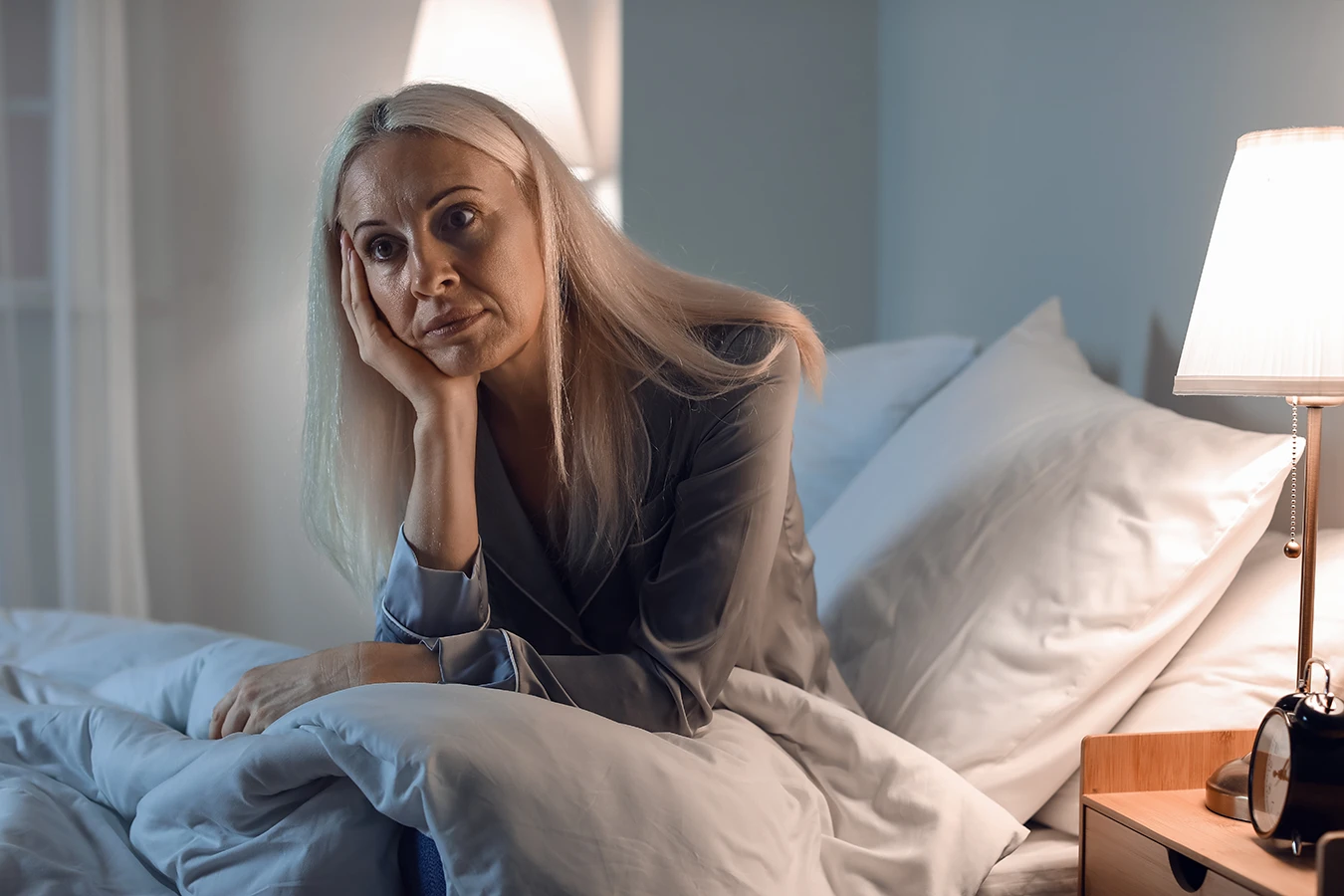
Sleep is one of our most important bodily functions. Our natural sleep cycle allows the brain to clear waste and consolidate memories while enabling the body to repair tissue, strengthen the immune system, and regulate vital hormones.
However, research indicates that untreated hearing loss can quietly sabotage this restorative cycle and compromise sleep quality.1 Conversely, studies also show that ongoing sleep problems can negatively impact hearing health in several ways 2, creating a cycle that’s difficult to break.
In this guide, we explore the connection between hearing loss and sleep quality and signs that your hearing may be affecting your rest.
Can Hearing Loss Impact Sleep Quality?
Research shows that hearing loss can negatively impact sleep quality.1 Untreated hearing loss can make it harder to get restorative sleep by interrupting normal sleep patterns in several ways:
Untreated Hearing Loss Can Increase Sleep Reactivity
Hearing loss can affect how the brain monitors sounds during sleep. Studies have found that people with untreated hearing loss may actually become more sensitive to noise while sleeping and awaken more frequently throughout the night.3 This is also known as having high sleep reactivity.
The stress of missing sounds can leave your brain on high alert, even as you sleep, making you more sensitive to disruptive noises. This increased vigilance can make it more difficult to achieve the deep, uninterrupted sleep needed for adequate rest.
Tinnitus Can Make It Harder to Sleep
Tinnitus is a common side effect of hearing loss that creates ringing, buzzing, or rushing sounds in one or both ears. It commonly occurs alongside hearing loss due to damage to the auditory nerve or tiny hair cells in the inner ear.
Tinnitus can be especially noticeable in quiet spaces, such as at night when there are fewer external sounds to distract from it. The internal ringing can make it difficult to relax and fall asleep, and some people may even wake up during the night because of it.
Over time, poor sleep can also increase how noticeable or bothersome tinnitus feels, potentially creating a cycle in which tinnitus disrupts sleep and inadequate sleep makes tinnitus harder to ignore.
Communication Problems Can Cause Stress and Anxiety
One of the primary ways hearing loss affects daily life is by interfering with communication, particularly in group settings or places with background noise. The stress or anxiety that can come with these communication difficulties may also make it harder to get high-quality sleep.
Stress and anxiety can cause your body to produce high levels of cortisol and adrenaline, making it harder to reach a relaxed state needed for sleep.4 Stress can also reduce the amount of time you spend in deep, restorative sleep and REM sleep.4 As a result, the emotional strain associated with managing hearing loss throughout the day may contribute to poorer sleep quality overall.
Hearing Loss May Affect Sleep Routines
Everyone has a natural circadian rhythm, which is an internal 24-hour clock that helps regulate when you feel awake and when you feel sleepy. It is primarily synchronized with external cues that signal when it’s time for sleep, including light, temperature, routine activities, and sound.
Hearing loss can reduce awareness of auditory cues, particularly when sounds signal that it is time to wake up, be active, or wind down. For many people, this can make it more difficult to maintain a consistent sleep schedule.
Hearing loss can also lead to changes in daily routines, such as reduced social activity or less exposure to noise that keeps the brain stimulated. This may further affect the regular cues that support a healthy sleep-wake cycle.
Signs Hearing Loss May Be Affecting Your Sleep
Hearing loss does not affect everyone’s sleep in the same way. Recognizing changes in your sleep, nighttime habits, and how rested you feel during the day can help you identify whether your hearing health may be playing a role.
The following signs could indicate that hearing loss may be affecting your sleep:
- Difficulty Falling Asleep: You regularly need a long time to fall asleep despite having enough opportunity to rest. Feelings of stress or anxiety around bedtime may also contribute to this.
- Frequently Waking Up: Your sleep is repeatedly interrupted, making it difficult to get a full night of uninterrupted rest.
- Daytime Fatigue: You have brain fog, trouble concentrating, or feel fatigued during the day.
- Tinnitus Keeps You Awake: Ringing, buzzing, humming, or other phantom sounds become more noticeable at night and interfere with falling asleep.
- Increased Sound Sensitivity at Night: Sounds at night seem more noticeable or disruptive, making it harder to stay asleep.
Recognizing how hearing loss may affect your sleep is an important step toward protecting your overall wellness. If you or a loved one is experiencing any of these symptoms, seeking timely care can help break this cycle, restoring the quality of your sleep, your hearing, and your everyday life.
Does Poor Sleep Quality Affect Hearing Health?
The relationship between sleep and hearing can go both ways. Hearing loss can make it harder to get consistent, restful sleep, while poor sleep quality can affect essential bodily functions that support healthy hearing. This creates a vicious cycle that can be difficult to break without proper hearing care.
While poor sleep may not be a direct cause of hearing loss, research shows that ongoing sleep problems can negatively impact hearing health in several ways:
Reduce Blood Flow to the Inner Ear
Our auditory system depends on a steady supply of blood to deliver oxygen and nutrients to the inner ear and the delicate hair cells responsible for hearing. Poor sleep can interfere with blood pressure regulation and how well blood circulates throughout the body.
Over time, reduced blood flow to the inner ear deprives the auditory system of the oxygen and nutrients it needs, making it more vulnerable to damage and permanent hearing loss.
Chronic Sleep Issues Reduce Cellular Repair
While we sleep, the body is hard at work repairing cells and tissues that are naturally worn out throughout the day. Sleep also gives our inner ear the time it needs to rest and recover from the daily wear and tear of continuous noise exposure.
When sleep is consistently shortened or disrupted, it can reduce the body’s ability to repair auditory cells and tissues, leading to damage over time. Unlike many other cells in the body, the tiny hair cells responsible for hearing do not regenerate once they are damaged.
Chronic sleep issues may therefore increase susceptibility to permanent hearing damage and hearing loss.
Increased Inflammation Can Affect Hearing Health
Poor sleep can increase inflammation throughout the body. Inflammation is part of the body’s normal response to injury or stress, but when it remains elevated for long periods, it can affect healthy tissues and how they function.
The inner ear and auditory system are especially sensitive to inflammation. Over time, ongoing inflammation can damage the delicate hair cells responsible for hearing, contributing to permanent hearing loss.
Lack of Sleep Can Cause Auditory Processing Difficulties
Sleep plays an important role in how the brain processes sensory information, including sound. Adequate sleep helps support attention, memory, speech comprehension, and other cognitive processes involved in understanding and responding to noises.
When you do not get enough quality sleep, you may have more difficulty concentrating on speech, distinguishing voices from background noise, and/or accurately processing what you hear. For people with hearing loss, these effects can make communication and listening even more challenging because the brain is already working harder to interpret incomplete or unclear auditory information.
Schedule a Hearing Exam at an Audibel Clinic Near You
Sleep and hearing health are closely connected, and managing both is essential for your overall wellness. If you or a loved one is experiencing signs of hearing loss, don’t wait. Take the first step toward better hearing health today. Find an Audibel hearing clinic near you to schedule an appointment.
References
- Clarke, N. A., Hoare, D. J., & Killan, E. C. (2019). Evidence for an association between hearing impairment and disrupted sleep: Scoping review. American Journal of Audiology, 28(4), 1015–1024. https://doi.org/10.1044/2019_aja-19-0026
- Wang, X., Su, B., Zhang, J., Li, Y., Zhou, L., Du, Z., Chu, H., Liang, H., & Bing, D. (2025). Sleep Disturbances Associated with hidden hearing loss: insights from human data and a mouse model of sleep fragmentation. Brain and Behavior, 15(8), e70778. https://doi.org/10.1002/brb3.70778
- Clarke, N. A., Hoare, D. J., & Killan, E. C. (2019b). Evidence for an association between hearing impairment and disrupted sleep: Scoping review. American Journal of Audiology, 28(4), 1015–1024. https://doi.org/10.1044/2019_aja-19-0026
- Dusang, K. (2026, May 5). How stress can affect your sleep. Baylor College of Medicine. https://www.bcm.edu/news/how-stress-can-affect-your-sleep






Have a question or Comment?