
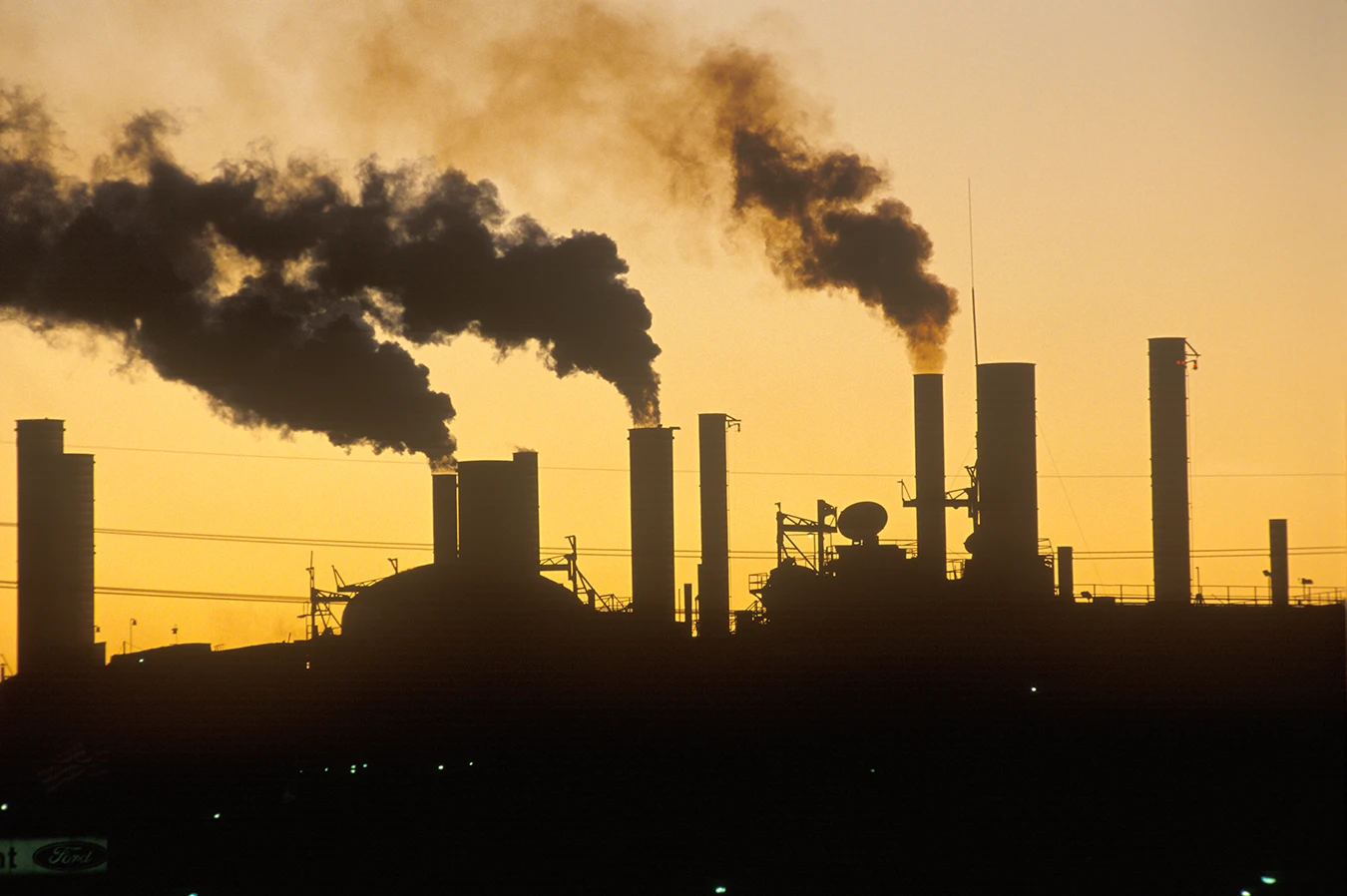
For years we’ve known the risks of poor air quality on our lungs, hearts, and overall health, but emerging research is revealing another surprising connection: air pollution may be quietly damaging your hearing.
While hearing loss is often associated with aging, noise exposure, or genetics, scientists are uncovering how environmental factors like bad air quality may also contribute to hearing loss.1
In this guide, we explore the link between air pollution and hearing loss, how environmental pollutants may affect your ears, who may be most at risk, and what steps you can take to protect your hearing health now and for years to come.
Jump Ahead:
- How Air Pollution is Linked to Hearing Loss
- Air Pollutants That Pose the Biggest Risk
- Who is Most at Risk?
- How to Protect Your Hearing
Can Air Pollution Cause Hearing Loss?
A growing body of research suggests that air pollution may be a contributing factor to hearing loss.1 While it is not considered a direct cause, studies suggest that long-term exposure to environmental pollutants may increase the risk of developing hearing problems.
Long-term exposure to the tiny particles and chemicals found in air pollution can cause inflammation and affect blood flow throughout the body. Because the inner ear relies on healthy blood circulation to remain healthy, this can cause permanent damage over time, resulting in sensorineural hearing loss (SNHL).
But how exactly can polluted air affect your ears? Researchers believe there are several ways air pollution may impact hearing health:
Air Pollution May Reduce Blood Flow to the Inner Ear
The inner ear (cochlea) contains tiny hair cells and the auditory nerve, which are responsible for hearing. These structures depend on a constant supply of oxygen and nutrients delivered through tiny blood vessels to function properly.
Long-term exposure to air pollution can affect cardiovascular health by damaging blood vessels and reducing blood flow. If circulation to the inner ear becomes impaired, the cochlea may not receive the oxygen and nutrients it needs, making it more vulnerable to damage and hearing loss.
Air Pollution Can Trigger Inflammation in the Inner Ear
When you breathe in polluted air, your body’s immune system responds by creating inflammation to help defend against harmful particles and chemicals. While this response is normal, repeated or long-term exposure can lead to chronic inflammation, which may begin damaging healthy tissues instead of protecting them.
The inner ear is especially sensitive to inflammation. Over time, ongoing flare-ups may cause permanent damage to the auditory system, resulting in hearing loss.
Air Pollution Can Increase Oxidative Stress and Damage the Inner Ear
Breathing in air pollution can introduce free radicals into the bloodstream and cause oxidative stress.2 Oxidative stress is an imbalance in the body between unstable molecules called free radicals and protective molecules called antioxidants.
Excessive oxidative stress can damage cells throughout the body, including the tiny sensory hair cells inside the inner ear. Unlike many other tissues in the body, inner ear hair cells do not regenerate once they are damaged.
This means that damage caused by long-term oxidative stress can lead to permanent hearing loss.
Long-Term Exposure to Air Pollution Can Compound Other Hearing Loss Risk Factors
Hearing loss rarely has a single cause. Instead, it often develops as a result of several factors working together over many years. Research suggests that air pollution can worsen the effects of these risk factors on hearing health.1
For example, the risk of hearing loss naturally increases with age as the structures in the inner ear gradually wear down. Genetics can also make some people more susceptible to hearing changes, while repeated exposure to loud noises can cause permanent hearing damage over time.
When long-term exposure to air pollution is combined with any of these other risk factors, it may place additional stress on the auditory system and increase the likelihood of hearing loss.
What Air Pollutants Pose the Biggest Risk to Hearing?
Not all air pollution is the same. The air we breathe can contain a mixture of tiny particles, gases, and chemicals, each of which can affect the body in different ways. The Environmental Protection Agency (EPA) closely monitors multiple “criteria air pollutants,” which are the most common pollutants known to harm human health.
Some are known to trigger inflammation, reduce oxygen levels in the blood, or contribute to cardiovascular problems—all of which can cause permanent damage to the inner ear.
Below is an overview of the most common air pollutants that are closely linked to hearing loss:
| Pollutant | Characteristics | Common Sources |
|---|---|---|
| Carbon Monoxide (CO) | A colorless, odorless gas that reduces the amount of oxygen the blood can carry. Long-term exposure has been linked to an increased risk of hearing loss.1 | Vehicle exhaust, gasoline, diesel, natural gas, propane |
| Nitrogen Dioxide (NO2) | A harmful gas produced when fuels such as gasoline, diesel, or coal are burned. Long-term exposure has been linked to an increased risk of hearing loss.1 | Traffic emissions, power plants, factories, gas stoves and heaters, and other fuel-burning sources |
| Fine Particulate Matter (PM2.5) | Tiny airborne particles that are 2.5 micrometers or smaller (roughly 30 times smaller than a human hair). Because they are so small, they can travel deep into the lungs and even enter the bloodstream. | Wildfires, vehicle emissions, industrial processes, and burning wood or fossil fuels |
| Other | A variety of airborne contaminants, including ground-level ozone (O₃), sulfur dioxide (SO₂), volatile organic compounds (VOCs), and certain industrial chemicals, may also contribute to an increased risk of hearing loss. | Industrial facilities, power plants, vehicle emissions, chemical manufacturing, paints and solvents, wildfire smoke, etc. |
While these pollutants affect the body in different ways, they all have the potential to contribute to an increased risk of hearing loss over time. Understanding where these pollutants come from is the first step toward reducing your exposure and protecting your hearing health.
Who is Most at Risk of Pollution-Related Hearing Loss?
While anyone can be exposed to air pollution, some people may face a greater risk of its harmful effects on hearing due to where they live, their age, existing health conditions, or other hearing loss risk factors.
People at the highest risk of pollution-related hearing loss include:
- Anyone Who Lives in Areas with Poor Air Quality: People who experience frequent exposure to heavy traffic, industrial or manufacturing pollution, farming chemicals and fertilizers, wood, coal, or kerosene burning, and more.
- People Living in Areas Prone to Wildfires: Frequent exposure to pollutants often found in wildfire smoke can increase the risk of hearing damage over time.
- Industrial Workers: Construction crews, delivery drivers, manufacturing employees, and traffic personnel who spend many hours in higher-polluted environments.
- People With Certain Health Conditions: Heart disease, diabetes, and other conditions that affect blood flow may also increase vulnerability to the effects of air pollution.
- Older Adults: As we age, our hearing naturally becomes more vulnerable to environmental pollutants.
- People Exposed to Loud Noise: Anyone frequently exposed to both loud noise and poor air quality may be at an increased risk.
Understanding your personal risk can help you take proactive steps to protect your hearing health before long-term damage is done.
Can You Protect Your Hearing from Air Pollution?
Along with protecting your lungs and heart, limiting exposure to harmful pollutants may also help support your long-term hearing health. While it’s difficult to eliminate your exposure to air pollution entirely, there are practical steps you can take to reduce your risk.
Combined with other healthy habits, these strategies can help protect your hearing from air pollution:
1. Monitor Local Air Quality Ratings
One of the easiest ways to reduce your exposure is to stay informed about local air quality conditions. Air quality can change from day to day, so it’s important to check it regularly.
The Air Quality Index (AQI) is an official government rating system that ranks the air quality on a scale of 0 to 500. Zero represents good air quality with no health risks, and 500 is extremely hazardous and unsafe air quality.
Below is an overview of what each air quality rating means:
| Air Quality Rating | Color | Category | What It Means |
|---|---|---|---|
| 0-50 | Green | Good | Satisfactory, little to no risk. |
| 51-100 | Yellow | Moderate | Acceptable. Sensitive individuals may experience minor health effects. |
| 101-150 | Orange | Unhealthy for Sensitive Groups | Sensitive groups should reduce outdoor activity. |
| 151-200 | Red | Unhealthy | Everyone may experience health effects. Limit time outdoors. |
| 201-300 | Purple | Very Unhealthy | Health alert. Everyone should avoid prolonged outdoor activity. |
| 301-500 | Maroon | Hazardous | Emergency conditions. Avoid outdoor exposure. |
On days when air pollution levels are high, consider limiting the time you spend outdoors to minimize your exposure.
2. Improve Your Indoor Air Quality
While outdoor pollution is a primary concern, indoor air can also contain potentially harmful pollutants. Smoke, household chemicals, cooking fumes, and poor ventilation can all affect the air you breathe inside your home.
Below are some strategies to help improve your indoor air quality:
- Air Purifiers: Use air purifiers with HEPA filters in rooms where you spend the most time. Replace filters regularly according to manufacturer guidelines.
- HVAC Filters: Upgrade your HVAC filters with a MERV rating of 13 or higher. These are designed to capture airborne particles like dust, pollen, pet dander, smoke, and more.
- Limit Indoor Smoke: Avoid smoking or vaping indoors, and use the exhaust fan while cooking, especially with gas stoves.
- Avoid Harsh Chemicals: Reduce your use of harsh chemicals, solvents, and aerosol sprays whenever possible.
- Close Windows: Keep windows closed during poor air quality days or if you live close to traffic.
Even just a few small changes to your daily habits can make the air quality in your home noticeably cleaner and less harmful.
3. Protect Your Hearing from Other Risks
Air pollution can have harmful effects all on its own, but the impact on hearing health is even greater when other risk factors are involved. Since hearing loss often develops due to a combination of factors, it’s important to protect your ears in other ways as well.
Some of the best habits for maintaining healthy hearing include:
- Wearing proper hearing protection around loud noises
- Keeping headphones at a safe volume
- Giving your ears time to recover after exposure to loud sounds
- Managing health conditions like high blood pressure and diabetes
- Maintaining a balanced diet and exercising regularly
- Scheduling regular hearing exams
Protecting your ears from other risks can go a long way in preserving your hearing health and overall well-being.
4. Schedule Regular Hearing Exams
Even if you take steps to reduce your exposure to air pollution, it’s still important to monitor your hearing health over time. Hearing loss often develops gradually, making it difficult to notice changes until they begin affecting everyday conversations and activities.
Regular hearing exams can detect subtle changes early, allowing you to take action before hearing loss has a greater impact on your quality of life. Your hearing care provider can also recommend personalized strategies to help protect your hearing based on your age, lifestyle, health history, and environmental exposures.
Find the Personalized Hearing Care You Deserve at Audibel
Hearing loss is a widespread condition that affects millions of people in the U.S. Routine hearing evaluations are one of the best ways to take control of your health now and preserve your hearing for years to come.
Whether you’re concerned about air pollution, have spent years in noisy environments, or simply want to stay proactive about your hearing health, the Audibel team is here to help. Use our clinic locator to find a specialist near you today and schedule an appointment.
References
- Chang, K., Tsai, S. C., Lee, C., Chou, R., Fan, H., Lin, F. C., Lin, C., & Hsu, Y. (2020). Increased risk of sensorineural hearing loss as a result of exposure to air pollution. International Journal of Environmental Research and Public Health, 17(6), 1969. https://doi.org/10.3390/ijerph17061969
- Maniaci, A., La Via, L., Lechien, J. R., Sangiorgio, G., Iannella, G., Magliulo, G., Pace, A., Mat, Q., Lavalle, S., & Lentini, M. (2024b). Hearing loss and Oxidative Stress: A Comprehensive review. Antioxidants, 13(7), 842. https://doi.org/10.3390/antiox13070842





Have a question or Comment?