
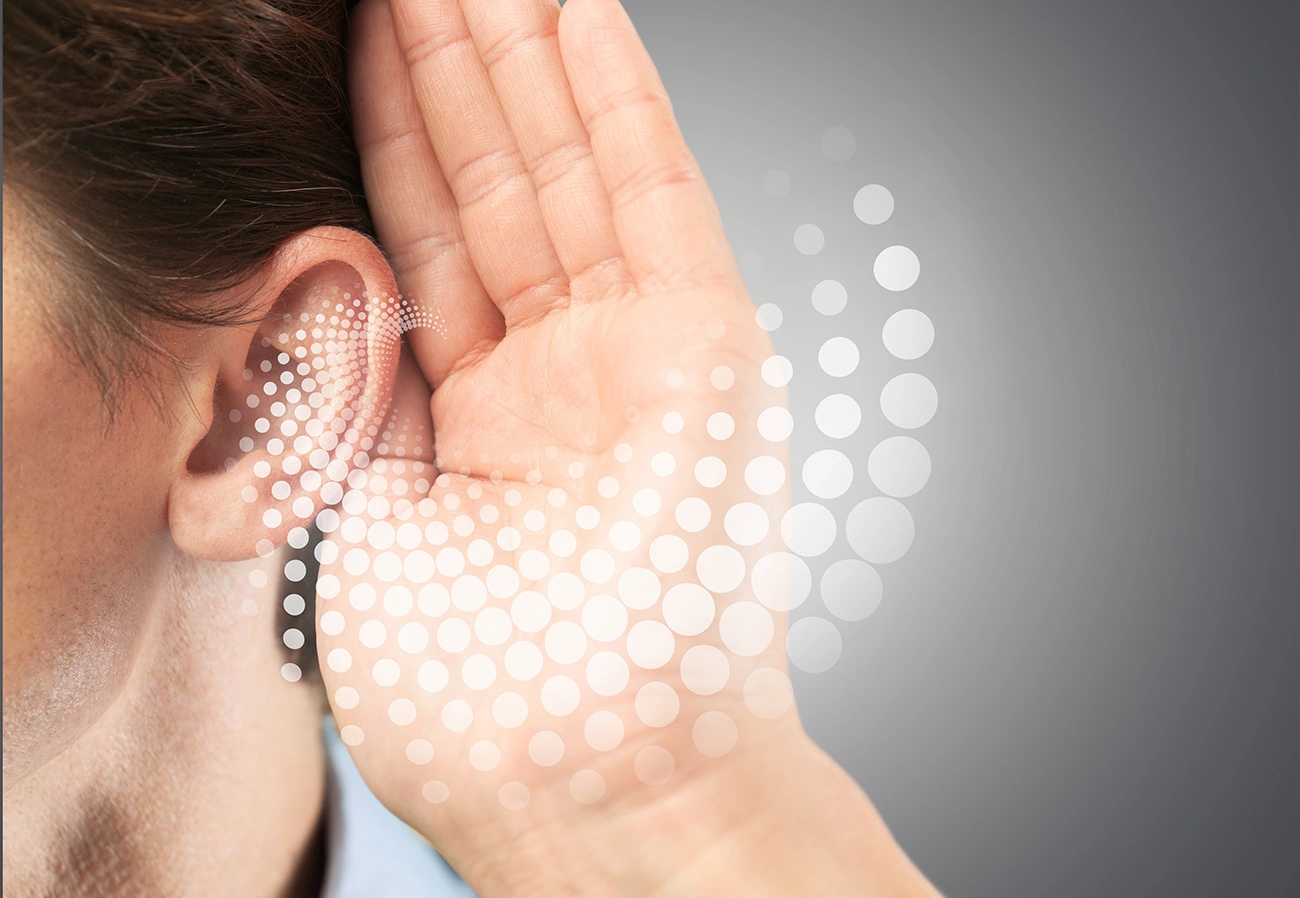
Hearing loss can happen to anyone at any age, and for a variety of reasons. However, most people don’t just wake up one day, suddenly unable to hear. Hearing loss usually develops gradually, and little changes often go unnoticed at first. That is, until you find yourself regularly asking people to repeat themselves or steadily turning up the volume on the TV.
This is the point when people usually start wondering whether their hearing is actually “bad enough” to need hearing aids. The level of hearing loss that requires a hearing aid can vary from person to person. But hearing aids can support any level of hearing loss, from mild to profound, and their benefits extend far beyond the ears alone.
In this guide, we explain the different levels of hearing loss, when hearing aids are typically recommended, and why.
The Levels of Hearing Loss That Require a Hearing Aid
The level of hearing loss that requires a hearing aid can vary depending on a person’s unique needs. However, hearing aids are typically recommended for people with mild to severe hearing loss, and in some cases even profound hearing loss.
Below, we provide an in-depth overview of each level of hearing loss and hearing aid recommendations:
Healthy Hearing (−10 to 25 dB)
A healthy or normal hearing range in adults typically falls between -10 dB and 20 dB. A person with healthy hearing will be able to detect very soft sounds like leaves rustling in the wind or someone whispering. At this level, hearing aids are not required because the auditory system is functioning properly, and the brain receives consistent auditory stimulation.
However, getting a hearing test to establish a baseline of your normal hearing level is essential to your long-term auditory health. Even if you have no noticeable symptoms, routine hearing check-ups help track any subtle changes over time. This ensures that if hearing loss does begin to develop, it’s identified and treated early for the best possible outcomes.
Mild Hearing Loss (26 to 40 dB)
The decibel range of the softest sounds a person with mild hearing loss can hear is 26 dB to 40 dB. For reference, the sound of someone whispering is around 30 dB. This means anyone with the mildest level of hearing loss is unable to hear a whisper.
Other symptoms of mild hearing loss include trouble understanding high-pitched voices (of women and children), feeling like people are mumbling, and struggling to follow conversations in noisy places. Even though this level of hearing loss is mild, hearing aids can make a noticeable difference in everyday life.
By amplifying softer sounds and improving speech clarity, hearing aids reduce listening effort and help you stay fully engaged in conversations. Today’s prescription hearing aids are also more discreet and advanced than ever, offering invisible device styles and features like Bluetooth streaming, fitness tracking, and so much more.
Moderate Hearing Loss (41 to 55 dB)
People with moderate hearing loss can struggle to hear normal conversations, and speech can start to sound muffled or unclear even in quiet settings. At this level, hearing aids are usually advised because the impact on daily communication becomes much more noticeable.
Following group discussions, talking on the phone, and communicating in loud environments can require extra effort. This added mental exertion often causes people with moderate hearing loss to experience listening fatigue and even physical exhaustion.
Hearing aids can significantly reduce these challenges by boosting speech clarity and helping separate the sounds you want to hear from the noise you don’t. Features like automatic speech enhancement, background noise reduction, and adaptive sound processing make it easier to communicate and bring clarity back into everyday situations.
Moderately Severe Hearing Loss (56 to 70 dB)
With moderately severe hearing loss levels, hearing aids are strongly advised. At this degree of loss, communication becomes difficult even at normal speaking volumes, and everyday safety may also start to be affected.
Common sounds like doorbells, the phone ringing, or someone calling your name may be harder to detect, increasing the risk of accidents or misunderstandings. An increased risk of falls is also a major concern for older adults with untreated hearing loss.
Modern hearing aids combat these challenges by providing precise amplification across the frequencies most critical for understanding speech. Some of the most advanced hearing aids available today even have built-in sensors for automatic fall detection. Hearing aids with fall detection monitor body movement and orientation, and when a fall is detected, it can trigger an automatic alert for help.
For anyone with moderately severe hearing loss, hearing aids can help make communication easier and enhance personal safety in daily life.
Severe Hearing Loss (71 to 90 dB)
With severe hearing loss, even loud sounds become difficult to hear, and speech is often impossible to follow without significant amplification. Important environmental sounds like sirens, alarms, timers, and traffic horns are also hard to hear, significantly increasing safety risks. For many people, this makes hearing aids crucial for daily life.
Additionally, research shows that severe hearing loss increases the risk of dementia by five times in older adults.1 This is because your brain needs regular stimulation to stay active and healthy. Think of it like a muscle that needs exercise to stay strong. When hearing loss goes untreated, the brain receives less auditory stimulation, significantly increasing the risk of cognitive decline and dementia.
Hearing aids help restore access to the sounds your brain needs to stay healthy. In fact, research shows that hearing aids can slow cognitive decline by nearly 50% in older adults at high risk of dementia.2
Profound Hearing Loss (90+ dB)
Profound hearing loss means hearing is extremely limited, even when sounds are very loud or close by. Speech is difficult to detect, let alone understand, without significant support. Many people assume that hearing devices are ineffective at this level, but that’s not always the case. Powerful hearing aids can help individuals with profound hearing loss.
Today’s most advanced behind-the-ear (BTE) hearing aids are built to deliver powerful amplification and can provide meaningful benefits for many people. Even small improvements in sound awareness can make a major difference in overall quality of life.
Because hearing loss varies from person to person, it’s essential to work with a specialist to determine the best treatment approach. Through a comprehensive hearing exam, they can assess the specific type and severity of hearing loss and recommend the most effective solutions to support long-term well-being.
Take Control of Your Hearing Health Today with Audibel
At Audibel, our specialists are here to help you find the best possible hearing loss solutions tailored to your specific needs. With personalized care, you can enjoy better communication every day and a higher quality of life for years to come.
Find an Audibel hearing care clinic near you to find the best hearing solutions for your unique needs, lifestyle, and budget.
References:
- Huang, A. R., Jiang, K., Lin, F. R., Deal, J. A., & Reed, N. S. (n.d.). Hearing Loss and Dementia Prevalence in Older Adults in the US. JAMA, 329(2), 171. https://doi.org/10.1001/jama.2022.20954
- Hearing aids slow cognitive decline in people at high risk. (2023c, September 14). National Institute on Aging. https://www.nia.nih.gov/news/hearing-aids-slow-cognitive-decline-people-high-risk




Have a question or Comment?