
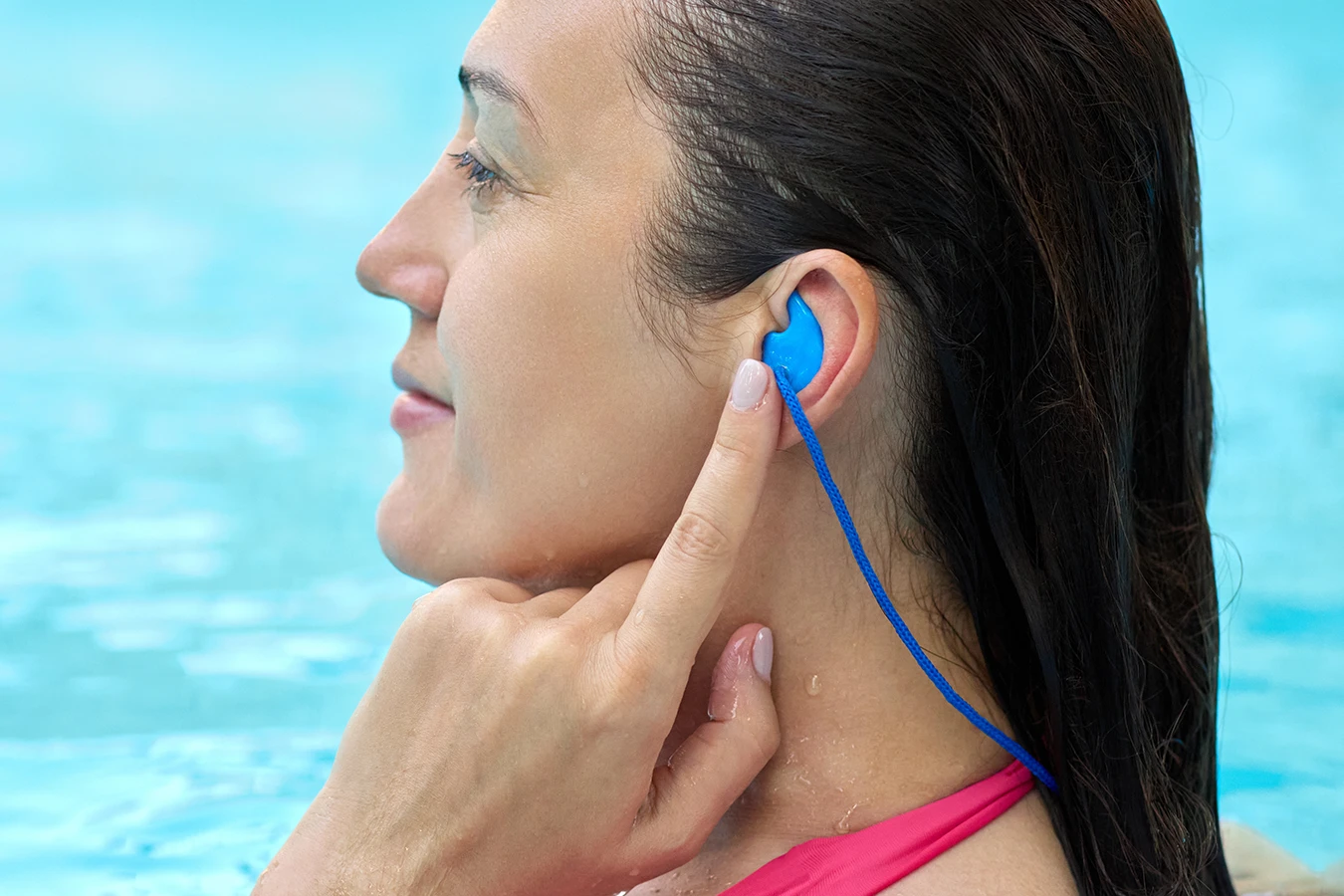
Swimmer’s ear is an ear infection in the outer ear or ear canal that can cause pain, swelling, and even hearing loss. Roughly 10% of people experience swimmer’s ear at some point in life.1
Despite the name, this common infection isn’t limited to swimmers alone. Anyone can develop swimmer’s ear at any age and for a number of reasons. Knowing the warning signs and risk factors can help prevent minor ear irritation from escalating into a serious health problem.
In this guide, we explain what swimmer’s ear is, common symptoms to look out for, what causes it, and how it’s treated and prevented.
What is Swimmer’s Ear? (Otitis Externa)
Swimmer’s ear (otitis externa) is a bacterial or fungal infection that occurs in the outer ear or ear canal. It typically develops when water remains in the ear after swimming, bathing, or exposure to humid environments.
This moisture creates an ideal environment for bacteria or fungi to grow, especially if the protective skin barrier inside the ear canal is already irritated or damaged. The result is inflammation, discomfort, and sometimes significant pain.
What are the Symptoms of Swimmer’s Ear?
Symptoms of swimmer’s ear typically start mildly and worsen as the infection progresses. Recognizing the early signs of an ear infection is important to prevent the condition from worsening and requiring more intensive medical treatment.
Early symptoms of swimmer’s ear include:
- Itching inside the ear canal
- Mild irritation or sensitivity in the outer ear
- Slight redness or discomfort
- A feeling of fullness, pressure, or blockage in the ear
More advanced symptoms may include:
- Increased ear pain that may become sharp or throbbing
- Pain that worsens when touching or pulling the outer ear
- Drainage from the ear (clear, yellow, or pus-like fluid)
- Muffled hearing due to swelling or fluid buildup
- Noticeable swelling or narrowing of the ear canal
In severe cases, swimmer’s ear pain can radiate to the jaw, face, or neck. The outer ear may also appear swollen or tender to the touch. If symptoms worsen after a couple of days, significantly affect hearing, or are accompanied by fever, seeking emergency medical care is highly advised.
If you or a loved one has experienced hearing changes after an ear infection has completely resolved, it’s important to schedule a hearing exam to identify any potential lasting damage and receive proper treatment.
What Causes Swimmer’s Ear?
Swimmer’s ear develops when the outer ear or ear canal becomes irritated and infected, creating an environment where bacteria or fungi can grow. It is estimated that 90% of all cases of swimmer’s ear are bacterial.2
While swimming is a common trigger, several factors can lead to this condition developing. Below are some of the most common causes and risk factors associated with swimmer’s ear:
Excess Moisture in the Ear
The most common way to get swimmer’s ear is through activities that expose you to moisture. Even if the water source is perfectly clean, any moisture trapped in your outer ear or ear canal can cause inflammation and increase your risk of infection.
The most common moisture-related causes of swimmer’s ear include:
- Water Activities: Swimming, bathing, or even showering can cause water to get trapped in the outer ear or ear canal, creating a warm, damp environment where bacteria and fungi can thrive.
- Excessive Sweat: Sweat from exercise, illness, or heat can seep into the outer ear or ear canal, creating the ideal breeding ground for bacteria and fungi.
- Humidity: Working or living in hot, humid environments can cause sweat and humidity to accumulate in the ear canal, creating conditions that support pathogen growth.
- Earbuds or Ear Plugs: Devices that sit in or cover the ear canal, such as earbuds or earplugs, can trap moisture, heat, and sweat against the skin and contribute to swimmer’s ear.
Any activity or environment that can introduce moisture into the ear puts you at risk of infection if not addressed in a timely manner.
Skin Conditions
Certain skin conditions can affect the health of the ear canal and increase the likelihood of swimmer’s ear, including:
- Eczema: A chronic inflammatory condition that causes dry, red, or itchy skin anywhere on the body.
- Psoriasis: An autoimmune condition that speeds up cell turnover, creating thick, scaly patches on the skin that can crack and become inflamed.
- Seborrheic Dermatitis: An overgrowth of yeast on the skin that causes flaky patches, especially on oil-rich areas like the scalp or ears.
These conditions cause the skin within the outer ear or ear canal to become dry, cracked, and irritated, damaging its natural protective barrier. This makes it much easier for bacteria and fungi to enter the skin and cause an infection.
Micro-Abrasions in the Ear Canal
The skin inside the ear canal is delicate and can be easily damaged. Small scratches or abrasions provide an entry point for bacteria and other microorganisms.
Common causes of micro-abrasion in the ear canal include:
- Using cotton swabs to clean the ears
- Inserting fingernails into the ear canal
- Wearing earbuds or earplugs improperly
- Attempting to remove earwax at home
Scratching an itchy ear with your fingernail, using cotton swabs, or inserting other small foreign objects into your ear, can create micro-abrasions. These cuts are often so small that you can’t feel them. However, they are the ideal environment for bacteria and other pathogens to thrive, leading to infections.
Allergic Reactions and Irritants
Some people develop swimmer’s ear due to an allergic reaction or sensitivity to certain products. Potential irritants include:
- Pool Chemicals: High amounts of chlorine and other pool treatment chemicals can wash away protective earwax (cerumen), leaving your outer ear without its natural defense against bacteria and other contaminants.
- Hairspray: Chemical residue from hairspray can build up inside the ear and strip away protective earwax, leaving the skin more vulnerable to irritation.
- Hair Dye: Harsh chemicals in hair dye can seep into the ear canal and irritate sensitive skin, weakening its ability to fend off bacteria.
- Spray-On Sunscreen: Chemical ingredients in spray-on sunscreen can settle into the ear canal and disrupt its natural barrier, increasing susceptibility to infection.
- Fragrance Products: Synthetic fragrance products like cologne or perfume often contain harsh chemicals that disrupt the skin barrier, which can cause irritation in the ear.
These irritants can inflame the skin barrier and leave your ears more vulnerable to the pathogens that cause swimmer’s ear.
How is Swimmer’s Ear Treated?
Swimmer’s ear is typically highly treatable when caught early and rarely leads to serious complications with proper care. Treatment depends on the specific cause and severity of the infection. Some of the most common treatments for swimmer’s ear include:
- Ear Drops: Antibiotic or anti-fungal ear drops can kill the bacterium or fungus responsible for the infection and reduce symptoms.
- Oral Medications: Certain oral antibiotics and anti-fungal medications can treat the infection over the course of a few days or weeks.
- Ear Cleaning: If swelling, debris, earwax, or discharge is blocking the ear canal, your healthcare provider may clear out the obstruction to allow medication to reach the infected area.
- Keeping the Ear Dry: During recovery, protecting the ear from additional moisture is an important part of treatment.
With appropriate treatment, most cases of swimmer’s ear improve significantly within a few days and resolve completely within one to two weeks. People with underlying health conditions such as diabetes or weakened immune systems may require closer monitoring because they have a higher risk of complications.
How Do You Prevent Swimmer’s Ear?
While swimmer’s ear can happen to anyone, it’s largely preventable with the right strategies. Below are some tips for preventing swimmer’s ear:
- Keep Your Ears Dry: Gently dry your outer ear with a clean towel any time you swim, shower, or bathe to prevent moisture buildup.
- Use Eardrops: Consult your hearing specialist about certain over-the-counter drying drops, which you can apply before and after swimming to help combat moisture build-up.
- Swim Caps: Wearing a swim cap with built-in ear protection can help prevent water from accumulating in the ear while you swim.
- Avoid Chemical Irritants: Cover your ears when necessary to avoid exposure to chemical irritants like hairspray, sunscreen, fragrances, or hair dye.
- Proper Earbud Care: Ensure your earplugs and earbuds fit properly in your ears, are clean, and are in good condition to prevent discomfort or irritation.
- Do Not Put Objects in Your Ear Canal: Never insert cotton swabs, fingers, or other foreign objects in your ear canal, as even minor scratches or micro-abrasions can increase the risk of infection.
By taking proactive steps to manage your health and hearing, you can address potential issues before they develop into more serious infections, reducing the likelihood of swimmer’s ear.
Schedule a Hearing Evaluation at an Audibel Clinic Near You
If you’re noticing ongoing ear discomfort, a feeling of blockage, or changes in your hearing, a professional hearing evaluation is highly advised. A comprehensive assessment can help determine whether your symptoms are affecting hearing function or if there are other underlying concerns.
Find an Audibel hearing clinic near you to schedule a hearing evaluation and take a proactive step toward protecting your long-term hearing health.
References
- Hajioff, D., & MacKeith, S. (2008, June 26). Otitis externa. https://pmc.ncbi.nlm.nih.gov/articles/PMC2907945/
- Ellis, J., De La Lis, A., Rosen, E., Simpson, M. T., Beyea, M. M., & Beyea, J. A. (2024). Approach to otitis externa. Canadian Family Physician, 70(10), 617–623. https://doi.org/10.46747/cfp.7010617






Have a question or Comment?